

Efficient chicken waste management has become a crucial challenge for modern poultry farms. Large-scale chicken breeding generates tons of manure, litter, and wastewater every day. If not disposed of properly, these wastes can cause serious environmental pollution and odor problems. So, how to dispose chicken waste sustainably and turn it into profit? Here are the top three practical solutions widely used in the poultry industry.
Chicken Manure Composting – Turning Waste into Organic Fertilizer
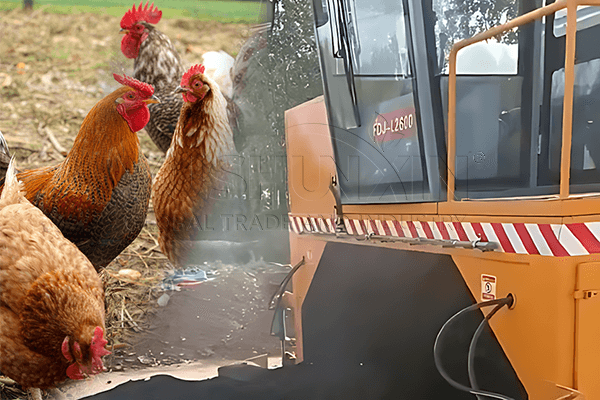
Chicken manure composting is one of the best and safest methods for making organic fertilizer with chicken poop. Fresh chicken waste contains high nitrogen and moisture, which can easily breed harmful bacteria and release ammonia gas. Composting helps stabilize the nutrients and eliminate pathogens through microbial fermentation.
In a well-designed composting system, the moisture content is adjusted to around 55%, and materials such as straw or rice husks are added to balance carbon and nitrogen. With the help of compost turners or fermentation tanks, oxygen and temperature are properly controlled. After about 15–20 days, raw chicken manure becomes high-quality organic compost that can be used directly in farming or serve as a base material for further processing.
Chicken Poop Granule Making – Increasing the Commercial Value
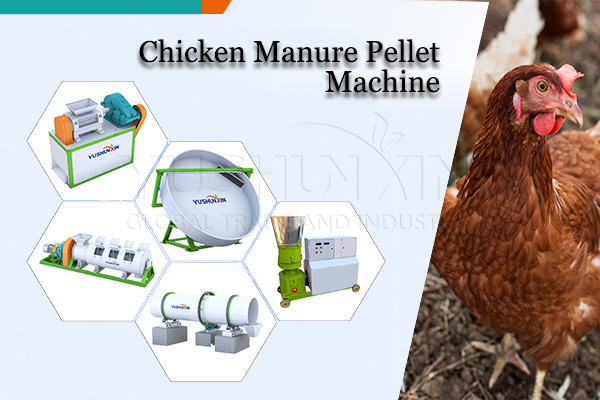
After fermentation, the composted manure can be further processed into granules. The chicken poop granule making process includes crushing, mixing, granulating, drying, and cooling. Granular fertilizer has several advantages: it is easy to package, transport, and apply, while minimizing nutrient loss.
A complete organic fertilizer production line transforms farm waste into uniform pellets that contain nitrogen, phosphorus, potassium, and organic matter. These granules are ideal for cash crop plantations and export markets because they release nutrients slowly and improve soil structure effectively.
Chicken Litter Drying – Reducing Moisture and Odor
Another efficient chicken waste management solution is chicken litter drying. Fresh litter usually contains 60–80% moisture, making it difficult to store or handle. Drying systems reduce the moisture level to below 15%, preventing bad smells and fly breeding.
Modern dryers, such as rotary drum dryers or dewatering machines, use hot air or mechanical squeezing to remove excess water quickly. Dried litter can be stored longer, mixed with other organic materials, or sold as bio-organic fertilizer feedstock.
Proper treatment of poultry waste is essential for environmental protection and resource recycling. By applying chicken manure composting, pelletizing, and drying technologies, farms can solve the problem of how to dispose chicken waste scientifically and profitably. With these top three solutions, chicken farmers can turn waste into wealth while building a more sustainable and eco-friendly poultry industry. Come to see https://www.fertilizerbusinessplan.com/chicken-waste-disposal/ now!