

When you plan an organic fertilizer project, choosing the right production line depends on your raw materials, product goals, production capacity, and market requirements. Different customers may have different expectations. Some focus on simple organic waste processing, while others plan to produce commercial fertilizer products for wider markets.
By evaluating your materials and business goals first, you can select a solution that matches your project development.
Do You Want Powder or Granular Organic Fertilizer Products?
The final fertilizer form is one of the first factors you can consider. Powder vs Granular Organic Fertilizer production requires different processing methods and equipment configurations.
A powder fertilizer line may focus on crushing, screening, and packaging after fermentation. It can be suitable for customers who need a simpler production process.
A granular fertilizer line may include additional steps such as mixing, granulation, drying, cooling, and screening. Granular products are often easier to transport, store, and apply, which can make them suitable for commercial fertilizer markets.
How Does Your Production Capacity Affect Equipment Selection?
Your expected output influences the scale of equipment and production design. A small project may focus on flexible operation, while a larger fertilizer factory may require more complete processing systems.
For example, a 10 TPH Organic Fertilizer Plant may include fermentation, crushing, mixing, granulation, drying, cooling, screening, and packaging sections depending on the final product requirements.
When planning your project, you can evaluate available raw materials, market demand, and future expansion possibilities together.
How Can You Evaluate Your Investment Before Building a Plant?
Investment planning is another important part of choosing a production solution. Customers often ask how much investment is needed for an organic fertilizer plant because different configurations can create different investment ranges.
The total project budget can be influenced by many factors, including production capacity, automation level, equipment selection, factory layout, and packaging requirements.
A suitable solution focuses on matching your actual business needs instead of simply choosing the largest system available.
Do You Need an Automated Production Solution?
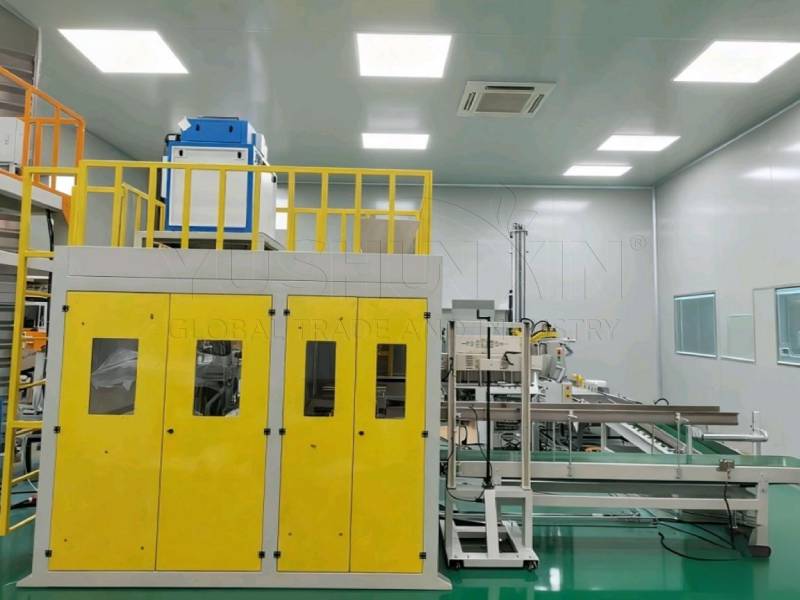
Automation level can influence production efficiency and labor management. For customers planning larger-scale fertilizer manufacturing, an organic fertilizer production line with automatic packaging can connect processing, weighing, and packing stages into a smoother workflow.
Automatic systems can help improve production consistency and make daily operation easier to manage.
How Can You Choose the Right Equipment Partner?
Selecting the right supplier is also an important part of your project planning. An experienced organic fertilizer production line supplier can help you evaluate raw materials, production targets, and equipment configurations before finalizing the solution.
Click here for more details to explore complete organic fertilizer production solutions.
Build an Organic Fertilizer Solution That Fits Your Goals
Every organic fertilizer project has different requirements. Raw materials, product types, capacity targets, and investment plans all influence the final production line design.
By understanding your project conditions and selecting equipment step by step, you can develop a production solution that supports your current needs and future growth.
For more information about organic fertilizer production solutions, you can visit https://www.shunxin.eu/organic-fertilizer-production-line/