

In today’s fertilizer industry, efficiency, accuracy, and flexibility are more important than ever. As market demand continues to grow, many producers are looking for smarter ways to improve output while controlling labor and operating costs. This is why more companies are turning to an automatic blend NPK fertilizer production solution to upgrade their operations and remain competitive.
Higher Production Efficiency
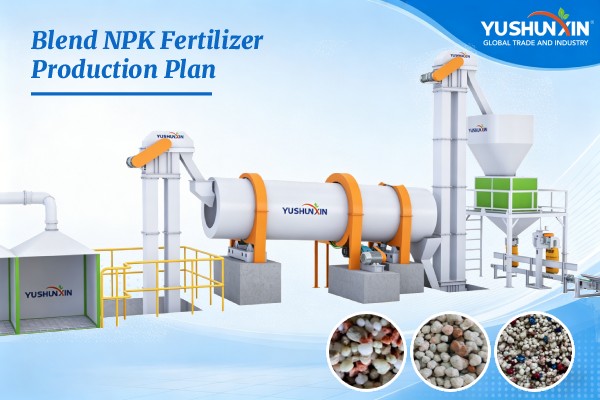
One of the biggest advantages of automation is the significant improvement in productivity. Traditional manual or semi-automatic blending methods often require more labor, more supervision, and more time to complete each batch. An automated system can handle weighing, feeding, mixing, and packaging in a continuous and organized process.
For companies involved in industrial NPK compound fertilizer manufacturing, this means shorter production cycles and a more stable workflow. With less downtime and fewer manual errors, manufacturers can achieve higher throughput and deliver products faster to the market.
Better Blending Accuracy
NPK fertilizer quality depends heavily on the accuracy of nutrient ratios. Even small deviations in nitrogen, phosphorus, and potassium content can affect product performance and customer satisfaction. Automatic systems are designed to ensure precise batching and consistent mixing, helping producers maintain reliable product quality.
Advanced control systems can monitor each stage of production, making it easier to adjust formulas based on crop needs or market demand. This level of precision is especially valuable for producers offering customized fertilizer products in different regions.
Reduced Labor Requirements
Labor costs are a growing concern for fertilizer manufacturers. Automated production lines reduce the need for manual handling, repetitive tasks, and constant operator intervention. This not only lowers labor expenses but also improves workplace safety by minimizing direct contact with raw materials and moving machinery.
Modern NPK fertilizer blending equipment is often designed with user-friendly controls and integrated automation functions, allowing a smaller team to manage a larger production volume. For many businesses, this creates a more efficient and cost-effective operating model.
Flexible Formula Adjustment
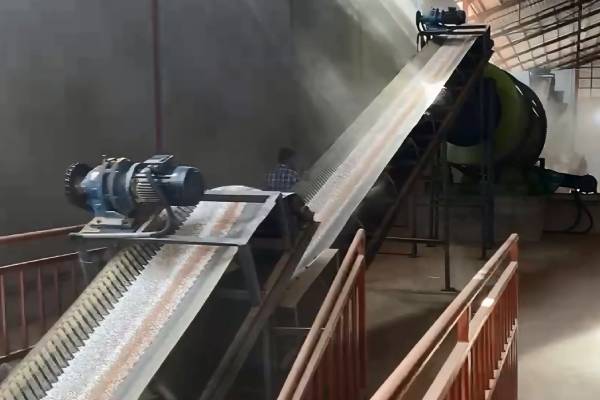
Agricultural markets are diverse, and fertilizer producers often need to supply multiple formulas for different crops, soils, and customer requirements. Automatic blending systems make it easier to switch between formulations quickly and accurately. This flexibility helps companies respond faster to seasonal demand and expand their product range without major production delays.
In addition, automation can support traceability and recipe storage, making repeat production more reliable. This is a major benefit for manufacturers aiming to build a strong reputation for consistent quality.
Better Cost Control in the Long Term
Although the initial investment may be higher than a simple manual setup, automation can bring better economic returns over time. Improved efficiency, lower labor dependence, reduced waste, and more accurate blending all contribute to stronger profitability.
When evaluating NPK fertilizer blending plant cost, businesses should look beyond the purchase price and consider total lifetime value. In many cases, an automatic system delivers a faster return on investment through lower operating costs and better production performance.
A Smarter Choice for Future Growth
As the fertilizer market continues to modernize, automation is becoming a practical step for long-term development. Working with a reliable bulk blending NPK fertilizer production line manufacturer can help businesses select the right configuration based on capacity, formula requirements, and factory conditions.
Choosing automation is not only about increasing output. It is also about improving quality, reducing risk, and preparing for future growth in a competitive industry. If you are interested in the solutions, you can visit https://www.mixedfertilizermachines.com/products/npk-fertilizer-blending-plant/